How To Naturally Maximize Growth Hormone To Grow Taller
Whether you are a teenager or past the age of 20, with the goal of growing taller, maximizing your body’s natural human growth hormone (HGH) secretion is one of the most direct levers that you have.
This page breaks down what HGH actually is, what suppresses it, and what you can do today to boost it through sleep, exercise, fasting, and food.
What Is Human Growth Hormone?
Human growth hormone (HGH), also known as somatotropin, is a hormone secreted by the pituitary gland ; a small structure at the base of the brain.
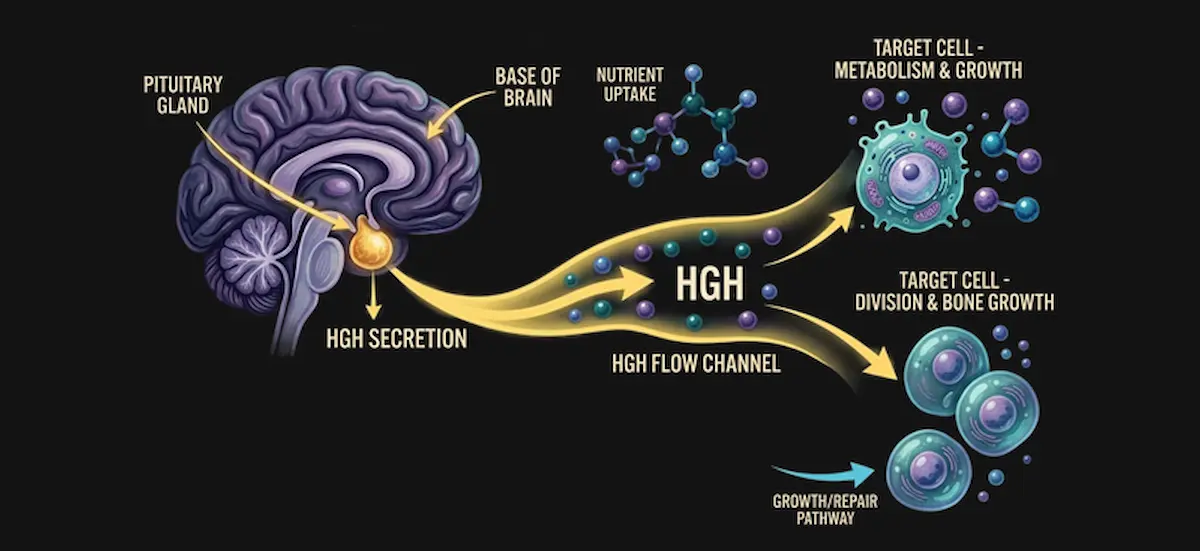
It’s released in short bursts at irregular intervals throughout the day and night, and plays a central role in stimulating cell production, tissue repair, and overall body growth. [1]
What controls GH release?
HGH output is governed by two opposing hormones originating in the hypothalamus:
1. Growth Hormone Releasing Hormone (GHRH) — the accelerator which triggers HGH secretion.
It’s also activated by ghrelin, the hunger hormone produced by the stomach when you haven’t eaten.
2. Growth Hormone Inhibiting Hormone (GHIH / Somatostatin)
This suppresses HGH, it is released after meals, and stimulated by elevated amino acids, fatty acids, and glucose in the blood.[2]
The balance between these two is what ultimately determines your HGH output at any given moment.
Exercise, sleep, nutrition, and fasting all influence this balance — which is exactly why lifestyle changes can have a meaningful impact.[3]
Factors That Reduce HGH Production
1 Excess Body Fat
According to a number of studies, a reduction in testosterone levels leads to excess belly fat yet others report that it’s too much stomach fat that leads to a reduction in testosterone levels.
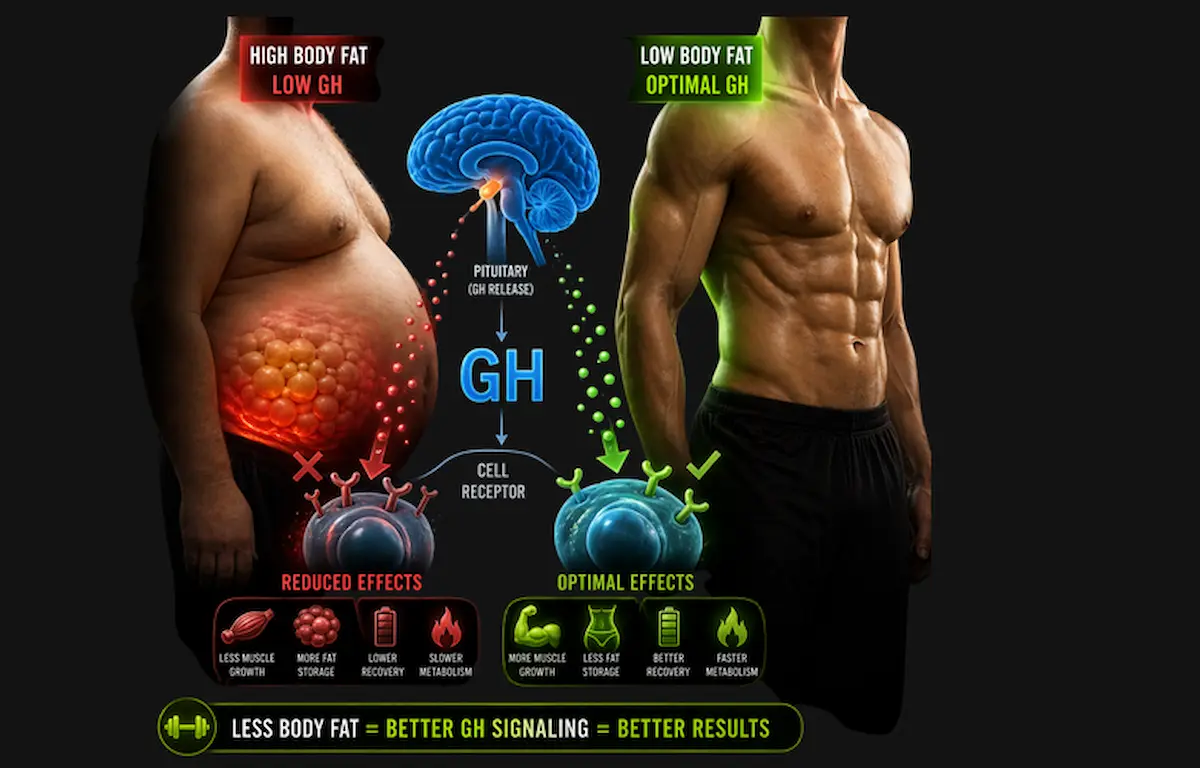
Though it’s not clear which is which, there’s a clear connection between the two.
In one study conducted by New England Research Institute that included 1,822 men, a man’s waist size was strongly linked to low testosterone levels.
Now you may be wondering; what does testosterone have to do with G.H ?
HGH is a hormone produced by the pituitary gland. Once HGH is released into the bloodstream, the hormone travels to the liver and stimulates the production of insulin-like growth factor 1.
Once released into the bloodstream, HGH also stimulates the testes into producing more testosterone.
Testosterone is another highly anabolic hormone that has a direct impact on protein synthesis, muscle mass, metabolic function and sexual health.[4]
Albeit it’s known that G.H increases testosterone levels, research shows that increased testosterone production will boost HGH.
It clearly seems that there is a collaboration between the two both of which have positive effects on one another.
A number of studies have also linked obesity to a reduction in secretion of growth hormones due to the fact that obesity results into a reduction of ghrelin concentration in the blood, and an increase in free fatty acid levels which stifles GH secretion.[5]
2. Overeating
Overeating suppresses HGH through insulin spikes.
In a controlled experiment, 7 non-obese men (average age 25) consumed roughly 70,000 calories per kg of body weight in daily protein and carbohydrate meals.
By day three, 24-hour blood GH concentration had dropped by nearly 80%, while insulin had doubled.[6]
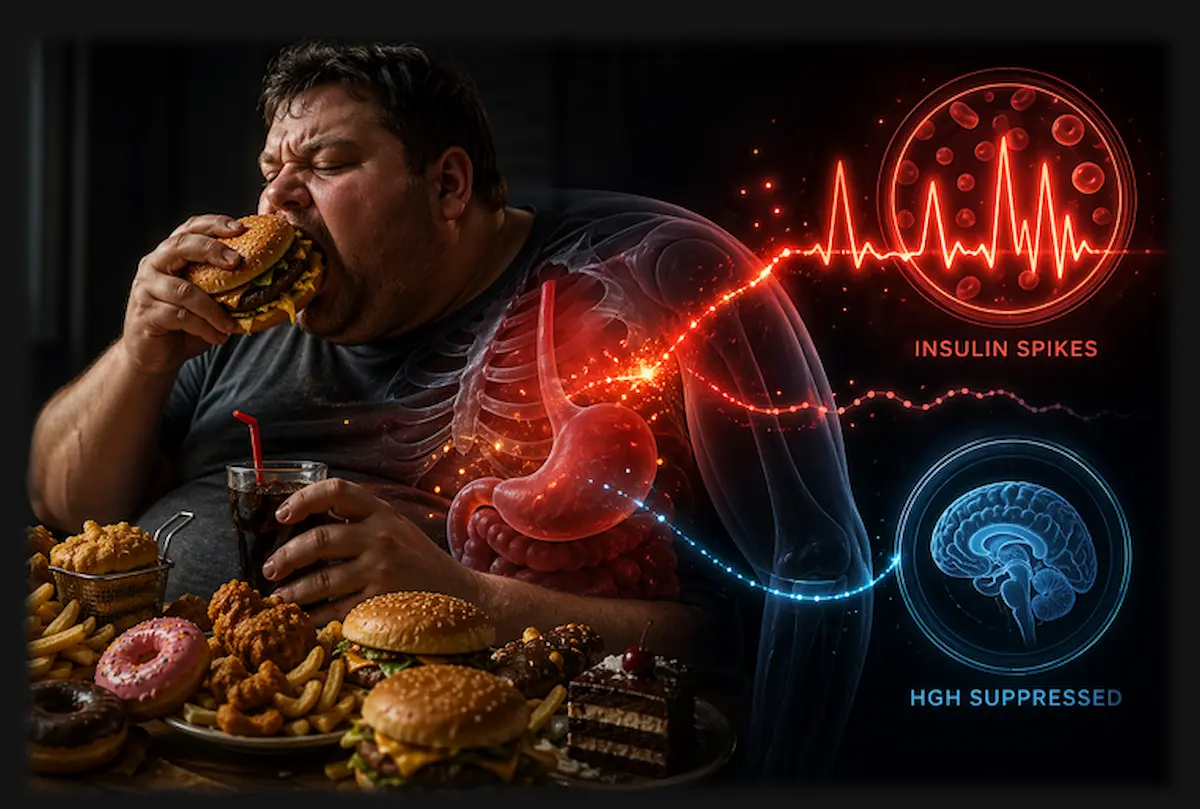
The mechanism is simple: eating too much too often spikes insulin, and elevated insulin directly blocks HGH secretion from the pituitary.
A lab study on rat pituitary cells exposed to insulin found HGH secretion was inhibited by roughly 50% within 2 days.
Eating too much, too often, may result to a reduction in HGH secretion simply because of the increase in insulin required to convert all that blood sugar into proper glycogen stores.
3. High Blood Sugar (Hyperglycemia)
A condition where the blood glucose level is too high because the body isn’t properly using it or doesn’t make the hormone insulin.[7]
Carbohydrates from foods like fruits, milk, potatoes, bread, and rice, are some of the major source of glucose .
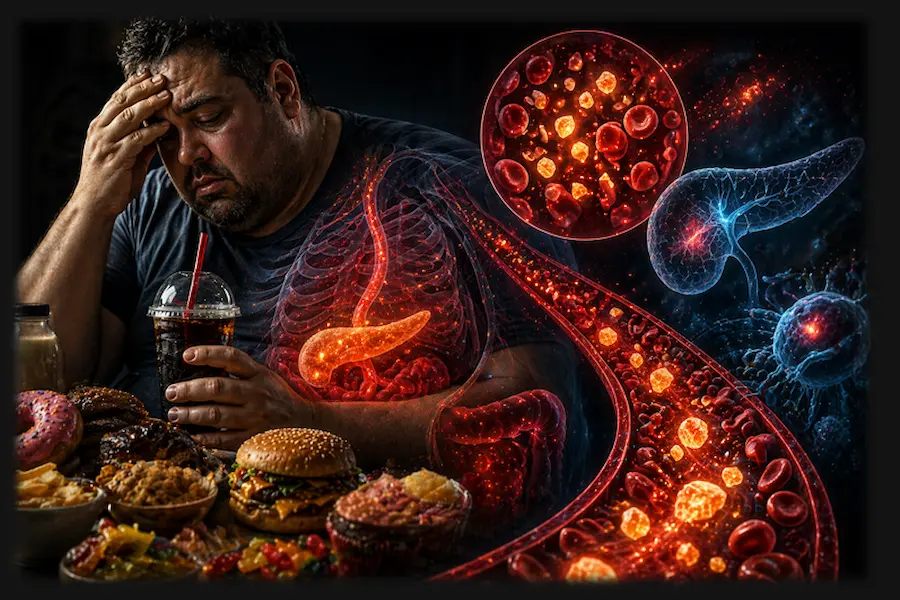
Once carbohydrates are broken down by your body, they become glucose then glucose is transported to the cells via the bloodstream.
Insulin, a hormone produced by the pancreas is needed to transport glucose to the cells like muscles.
If you have type 1 diabetes, it means your body can no longer make insulin to use glucose.
In such a scenario, Insulin is injected under your skin.
If you have type 2 diabetes, you may have enough insulin, but your body doesn’t utilize it well.
Thus you become insulin resistant.
Some type 2 diabetes patients may not produce enough insulin and if such patients don’t keep their blood glucose levels in check, it may result to hyperglycemia.
Say if you have type 1 diabetes and you don’t take insulin injections before meals, the glucose from the meal you just ate can accumulate in blood resulting to hyperglycemia. [8]
4. Glucocorticoid Medications
These are powerful medicines that fight inflammation and work with your immune system to treat a wide range of health problems like allergies and arthritis.
Anti-inflammatory drugs like prednisone, dexamethasone, and hydrocortisone suppress GH secretion by stimulating somatostatin release from the hypothalamus.
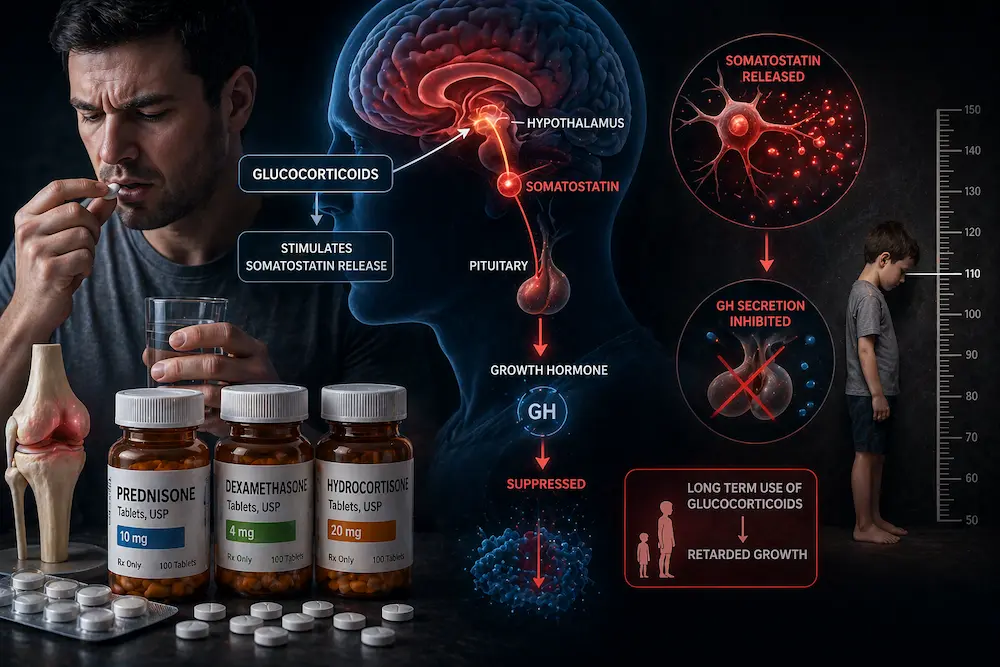
Studies show that administration of glucocorticoids leads to retardation of growth in rats and children on long term treatment of such drugs because they inhibit G.h secretion.
Such drugs inhibit G.H secretion due to the fact that they trigger the secretion of somatostatin by the hypothalamus.[9]
How to Naturally Increase HGH Production
1. Deep Sleep
Although it is likely that most episodes of G.H release are spontaneous, the greatest secretion of HGH occurs after exercise and at night during deep sleep also known as slow wave sleep.

The stage of sleep when it’s very hard to wake up someone.
In an experiment that aimed to monitor G.H secretion during sleep at night, it was observed that there was a significant rise in GH concentration in blood within the first 90 minutes from the onset of sleep but the time it took to reach peak G.H secretion ranged from 39 to 165 minutes and the average time it took to reach peak G.H secretion among the subjects was 70 minutes.
The rise in G.H secretion was gradual.
The initial increase was observed 20-40 minutes from onset of sleep.
G.H concentration in the blood remained high for 1.5 to 3.5 hours before gradually reverting to normal or baseline level.
G.H secretion continued to peak and fall throughout the night though the initial peak that occurred within the first 90 minutes was greatest.
→ More on this topic: how sleep helps you grow taller.
2. High-Intensity Interval Training (HIIT)
HIIT means alternating short maximum-effort bursts with rest.
For example, sprinting as hard as you can for 30 seconds, then walking for 2 minutes, repeated.

A Loughborough University study (2002) compared a single 30-second all-out sprint against a 6-second sprint, then monitored HGH levels for 4 hours afterward. Results:
- Peak GH concentration after the 30-second sprint was 40% greater than after the 6-second sprint.
- Elevated GH persisted for 90–120 minutes post-sprint (vs ~60 minutes for the shorter effort).[10]
→ See the related protocols on the chaos training page.
3. Intermittent Fasting
Intermittent fasting means restricting your calorie intake to a specific window of the day, typically eating within an 8-hour period and fasting for the remaining 16 hours.
The GH mechanism works through two pathways.
First, fasting elevates ghrelin, and ghrelin directly stimulates GH release.
Second, fasting increases the frequency of GHRH secretion pulses ; an independent trigger for more HGH output. [11]
One counterintuitive finding: hunger is at its lowest in the morning despite going 7–12 hours overnight without food.
This is because ghrelin doesn’t accumulate indefinitely, it spontaneously drops after about 2 hours even without eating.
This is why the first few hours of a fast feel hard, then the hunger passes.
Foods That May Boost HGH Release
If you prefer natural ways of boosting growth hormone release in the body, it’s safe to consider foods that can potentially increase G.H secretion.
Studies have demonstrated that consumption of protein foods rich in amino acids particularly arginine and lysine increases the concentration of G.H in the blood.
Amino acids are the building blocks of proteins.
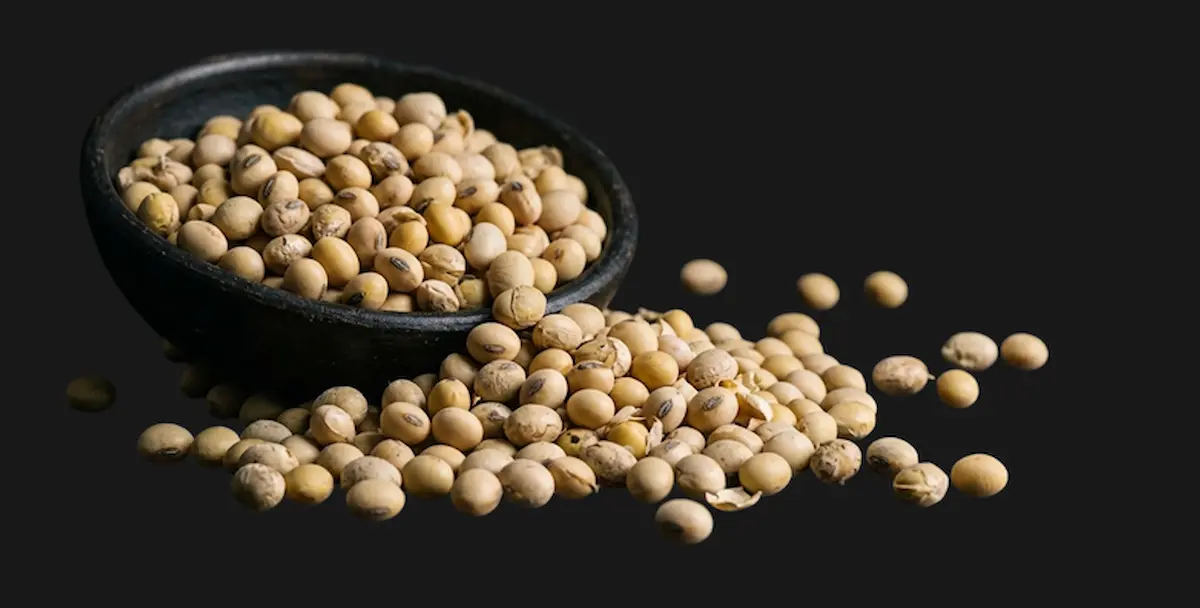
There’s a high concentration of arginine and lysine in soy protein hence consuming soy protein increases G.H secretion.
For instance, an experiment that aimed to investigate how consumption of amino acids affect G.H secretion, it was observed that after consuming soy protein , G.H concentration in the blood more than doubled.
However, when a meal of soy protein is taken together with both carbohydrates and fats, it greatly affects G.H secretion.
G.H secretion isn’t affected after soy is taken with either fat or carbohydrate alone.[12
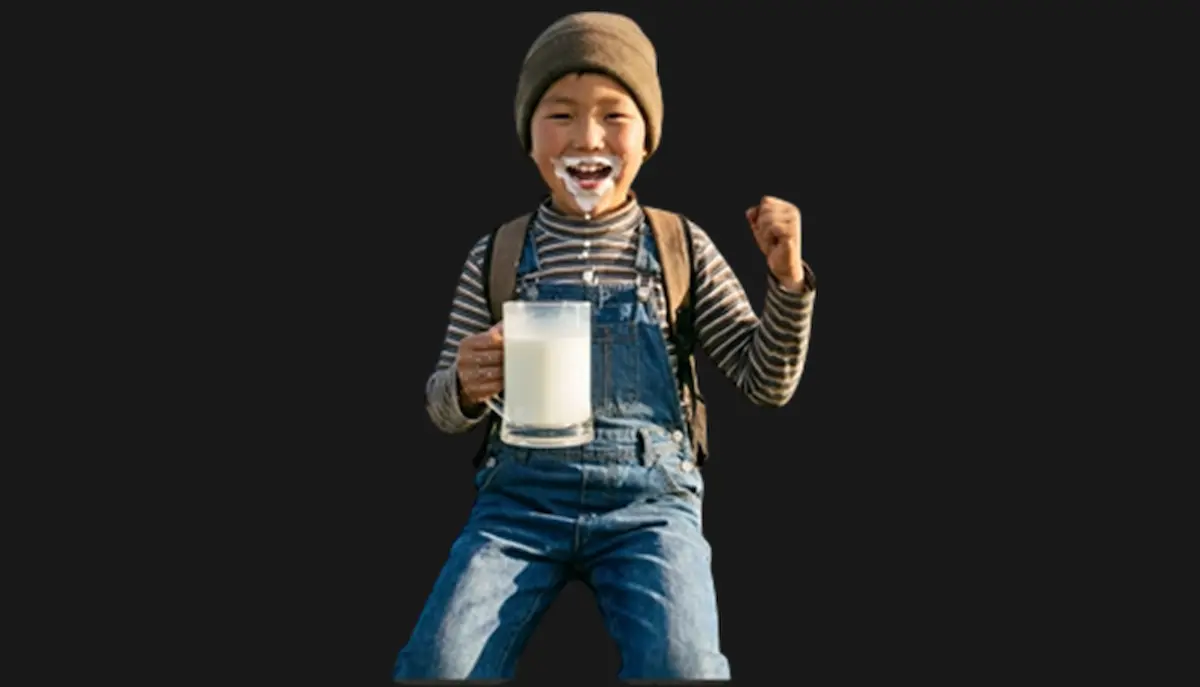
A study that aimed to asses the extent to which milk consumption increases somatotropic hormone concentrations among 9 – 11 year old Mongolian children discovered that milk consumption increases G.H secretion among pre-pubertal children.
The children who had little to no milk consumption and it’s products in their daily diets before the experiment were made to drink up to 710 ml of American UHT whole milk everyday for a month.
This resulted to an immediate stimulatory impact of milk on the secretion of GH and bioactive IGF-I which led to a slight increase in the children’s height during the month of milk consumption.[13]
Gelatin is a colorless substance that is a product of prolonged boiling of animal skins, horns and bones.
It can be used as food or even glue.

It’s almost 100% protein and contains plenty of amino acids.
When research was conducted to ascertain if consuming gelatin triggers a G.H secretion response among individuals with weakened G.H response like the obese, gelatin ingestion increased G.H secretion in both lean and obese individuals by the same magnitude.[14]
A study that aimed to investigate the mechanisms by which melatonin modulates GH secretion established that oral administration of melatonin increases the secretion of G.H and it’s responsiveness to GHRH by hindering the release of somatostatin or growth hormone inhibiting hormone.
After childhood, the secretion of melatonin by the body decreases thus obtaining melatonin from food is very necessary.
Perhaps, studies demonstrate that consumption of melatonin rich foods increases circulating melatonin.
Nuts and seeds contain the highest concentration of melatonin.
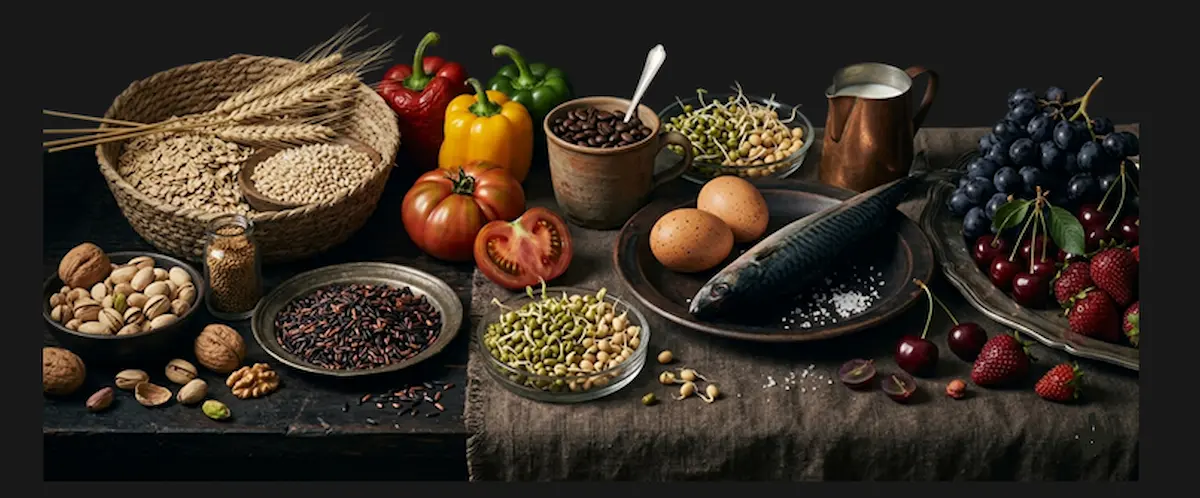
pistachio nuts contain the highest concentration while walnuts, mustard seeds, oats, wheat , barley, pigmented rice (like black, red and purple rice), peppers, tomatoes, coffee beans/ coffee and germinated mug and soybean seeds also contain relatively high concentrations.
Eggs, fish and milk taken at night also contain high concentration of melatonin.
Besides the skin of grapes, tart cherries and strawberries, melatonin is relatively low in most fruits.[15]
Bonus ways to stimulate the Pituitary gland for G.H release.
1. Supplementation with Alpha -glycerylphosphorylchorine (Apha GPC)
According to research conducted and issued in the Journal of the International Society of Sports Nutrition in 2008, 600mg of Alpha GPCingested one and half hours before resistance training or weight lifting increases the response of G.H secretion to resistance exercises and circulation of G.H in the blood. [16]
2. Oral diazepam (valium) administration
Diazepam is a sedative drug used to treat a number of health complications because of it’s calming effect including muscle spasms and anxiety.
When G.H response to oral diazepam administration was investigated, it was ascertained that diazepam stimulates the release of G.h.
Subjects swallowed 10 mg of diazepam and blood samples taken every 30 minutes.
An hour after oral administration of diazepam, The concentration of G.H in the blood increased significantly. [17]
3. Ethinyl estradiol
Ethinyl estradiol is a pill that contains estrogen hormones that prevent a woman from ovulating. Such pills are normally used for birth control.
Low doses of this pill of no more than 100 micrograms can potentially increase growth hormone production.
when 23 children who were still in puberty with a short stature were treated with 20 – 40 micrograms of Ethinyl estradiol before going to bed at night, serum G.H concentration in blood significantly increased.
4. Clonidine
Chlonidine tablets are available under many brand names like catapres.
It may be used independently or in conjunction with other drugs to treat a spectrum of conditions like diarrhoea, reducing blood pressure and managing symptoms of attention deficit hyperactivity disorder (ADHD) among others.
When a test was conducted to establish if clonidine can stimulate G.H secretion, 18 children and teenagers were orally administered with 0·15 milligrams of clonidine for every square meter of body surface area.
Growth hormone concentration in the blood significantly increased after oral administration of clonidine among all subjects.[18]
WARNING:
All the above mentioned medications or supplements are potent pharmaceutical agents with significant systemic effects.
They should only be considered under careful endocrinological supervision.
Self-administration is strongly discouraged.
Frequently Asked Questions
1. What time of day is HGH at its highest?
The largest GH secretion occurs during the first 90 minutes of deep sleep.
The second largest occurs after intense exercise and during fasting states.
This is why prioritizing sleep quality, and doing H.I.I.T correctly is very important .
2. Do carbohydrates reduce HGH?
Carbohydrates with a High-glycemic index increase blood glucose and insulin levels, both of which suppress HGH.
Ofcourse, this doesn’t mean eliminating carbohydrates entirely from your meals, but eating large carbohydrate meals right before exercise or closer to bed time will affect HGH secretion.
3. How long does a fast need to be to see a GH boost?
A 16 to 24 hour fast is sufficient to increase the frequency of GH secretion.
4. Are HGH supplements the same as naturally raising HGH?
No.
Synthetic HGH injections are a form of medical prescription for diagnosed cases of growth hormone deficiency and carry real risks if not properly administered.
5.Does stress affect HGH levels?
Chronic psychological stress raises cortisol, which can interfere with sleep quality and disrupt the hormonal environment required for optimal HGH release.
However, physical stress in form of intense exercise has a positive impact on HGH secretion.
References
1. Evidence for a Circadian Effect on the Reduction of Human Growth Hormone Gene Expression in Response to Excess Caloric Intake (2016)
2. Normal Physiology of ACTH and GH Release in the Hypothalamus and Anterior Pituitary in Man (2025)
3. Physiology, Growth Hormone (2023)
4. Growth hormone directly stimulates testosterone and oestradiol secretion by rat Leydig cells in vitro and modulates the effects of LH and T3 (2000)
5. The role of ghrelin in GH secretion and GH disorders (2014)
6. Rapid Suppression of Growth Hormone Concentration by Overeating: Potential Mediation by Hyperinsulinemia (2011)
7. Management of Diabetes and Hyperglycemia in Hospitalized Patients (2024)
8. Diabetes (2024
9. Glucocorticoids may inhibit growth hormone release by enhancing beta-adrenergic responsiveness in hypothalamic somatostatin neurons (1993)
10. The time course of the human growth hormone response to a 6 s and a 30 s cycle ergometer sprint (2002)
11.Augmented growth hormone (GH) secretory burst frequency and amplitude mediate enhanced GH secretion during a two-day fast in normal men (1992)
12. Growth hormone responses to ingestion of soyprotein with or without fatand/or carbohydrate in humans (2009)
13. Milk consumption and the prepubertal somatotropic axis (2007)
14. The Effects of Protein Ingestion on GH Concentrations in Visceral Obesity (2010)
15. Dietary Sources and Bioactivities of Melatonin (2017)
16. Acute supplementation with alpha-glycerylphosphorylcholine augments growth hormone response to, and peak force production during, resistance exercise (2008)
17. Growth hormone response to intravenous diazepam and placebo in 82 healthy men (1990)
18. Administration of low-dose estrogen rapidly and directly stimulates growth hormone production (1986)
AUTHOR BIO

Dennis Raney (B.Sc.) is an author and a blogger specializing in natural body growth optimization strategies.
After years of navigating the psychological and physical challenges of being under-average height, Dennis dedicated over a decade to researching the intersection of lifestyle, nutrition, and body growth.
By applying an evidence-based approach to healthy lifestyle changes, he successfully navigated his own body transformation, an experience that led him to author his comprehensive guide on height increase during and after puberty.
Today, he shares practical, research-backed strategies through his book and blog to help others overcome similar challenges.”
.
Interested in connecting? :
✉️ Send an email: Dennis »»
💬 Add me on Discord: raney0029 »»