Does Sleeping Less Affect Height? How Sleeping 7- 9 hours helps you To Grow taller
Does sleeping late affect height growth?
Or will my height be stunted if I sleep less than a certain amount of time?
What time should I go to sleep at night?
These are some of the most common questions asked by teenagers who for whatever reason, aren’t disciplined with their sleeping schedule yet wish to capitalize on sleep to increase their chances of growing taller.

Getting enough quality sleep on a regular basis is essential for survival just like food and water.
No wonder it is considered as the “third pillar” of health, along with nutrition and exercise.
Sleeping does help you to grow taller in many ways as discussed later on this article, yet many of us decide to sacrifice a good night’s sleep for different reasons including study, work, multimedia like phone, laptop or TV, and having fun.
That said, some illnesses, medications and sleep disorders can as well prevent us from having quality sleep .
According to the American National Sleep Foundation, it’s recommended that healthy adults sleep for 7–9 hours every night.
However, an increasing number of adults experience chronic sleep deprivation or get insufficient sleep.
This number is believed to be approximately one third of adults who report getting less than 6.5 hours of sleep every night .[1]
Many factors contribute to this and they include but are not limited to;
1. A Stressful lifestyle.
2. long working hours.
3. Internet and media use.
4. Increased exposure to environmental light.
5. sleep disorders
6. Longer commuting time.
Adolescents, who sleep approximately 5–6 hours or less per day because of academic demands, stress and early school start times also suffer from sleep deprivation.
4 ways Sleep Can Affect Your Height
1. Without adequate sleep, bone formation is impaired.
In a study that aimed to establish the impact of chronic sleep deprivation on the chemical processes that take place in bones and bone density in rats, researchers at the Medical College of Wisconsin observed that new bone stopped forming in sleep deprived rats yet bone wasting continued. [2]
Hence, the shift in the balance between bone formation and wasting due to lack of sleep among sleep deprived rats not only means that bone growth or lengthening is impossible, but also leads to weak bones which increases the risk of brittle bones
Normally, there’s a delicate balance between bone formation and wasting which keeps bones healthy and strong.
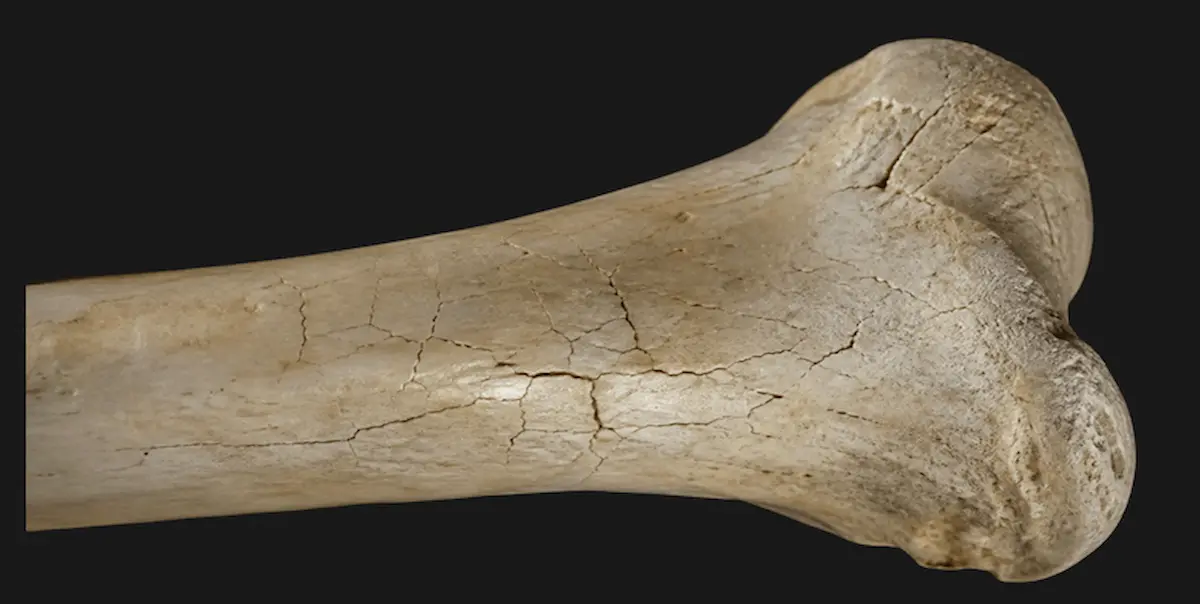
The fat in bone marrow also decreased due to sleep deprivation.
Hence, without adequate sleep on a daily basis, growing taller especially after puberty will only be a pipe dream.
2. Growth and development of bones takes place when we are sleeping.
When another study that involved baby lambs was conducted, US researchers placed sensors inside the baby lambs leg bones and it was ascertained that the majority of growth spurts took place when the animals were either sleeping or resting. [3]

Every 2 – 3 minutes, the sensors measured the leg bones for about 3 weeks and results indicated that almost all growth in baby lamb bones took place when they were either resting or sleeping.
According to the Journal of Pediatric Orthopedics, the University of Wisconsin, scientists believe that this also applies to humans which is why children tend to feel growing pains during the night when sleeping .
3. Inadequate sleep leads to Lower vitamin D concentrations.
Inadequate sleep or sleep deprivation is associated with lower vitamin D concentrations which affects intestinal calcium absorption.[4]
Vitamin D catalyzes the absorption of calcium which is required for bone growth and development and that’s why low serum vitamin D level is significantly associated with low bone mineral density .
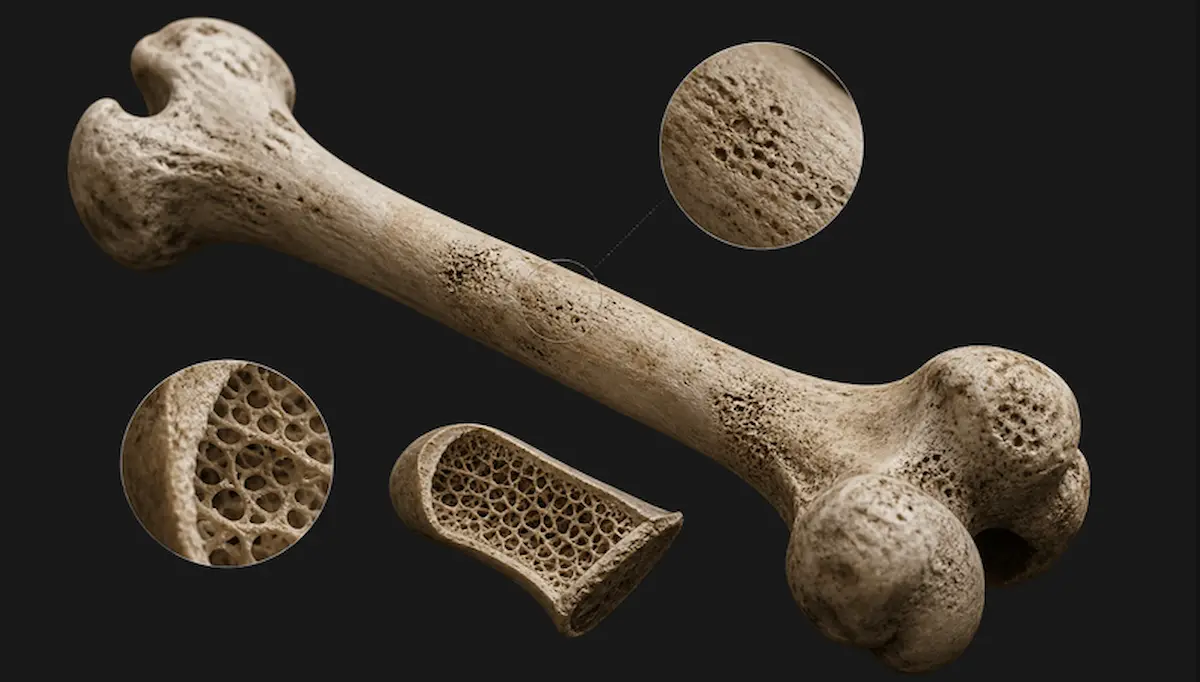
Some studies have also revealed that individuals who sleep for 6 hours or less have significantly lower total and regional bone mineral density compared to those who sleep for at least 8 hours every night.
And children who sleep for short periods have worse bone accumulation particularly during puberty when the body is rapidly growing.[5]
More reading on the reasons why vitamin D is important for bone growth can be done on the foods to eat to grow taller page. That’s another reason why sleep can make you grow taller.
4. Less Growth hormones released.
Most G.H is released approximately 1 – 2 hours from the commencement of sleep with more than 50 percent released during REM sleep.
Without adequate sleep, G.H secretion is significantly impaired, particularly during middle adulthood.

Growth hormone induces the production of Insulin Like Growth factor 1 (IGF-1) in the liver which in turn directly or indirectly promotes longitudinal bone growth and tissue development.
If your growth plates still exist, growth hormone acts directly on the growth plate cartilage as a catalyst for cell division and multiplication.
This in turn speeds up the process of manufacturing new bone and hence longitudinal bone growth.
Common Reasons You May Not Be Sleeping Well
Before attempting to improve your sleep quality or quantity, it helps to know the root cause of the challenges you are facing in regards to sleep.
This is when you struggle to fall asleep and or wake up a couple of times during the night and find it difficult to fall asleep again.

Common causes include;
1. Time when you go to sleep.
2. Anxiety and or depression.
3.Old age.
4. Changes in the sleep environment.
5. Medications like; decongestants, bronchodilators, some antidepressants, steroids, diuretics, and using sleeping pills inappropriately.
Solution;
Some times insomnia can be resolved without any medication depending on the cause.
Proper sleep hygiene which will be discussed later is however highly recommended.
Causes;
Being overweight, allergies, genes, brain disease leading to failure by the brain to send signals needed to breath during sleep, medications like morphine and other narcotics.
Solution;
The continuous positive air pressure machines and other breathing devices as well as lifestyle changes like losing weight, sleeping on one side, and avoiding alcohol and smoking.
How to Fall Asleep Faster and Deeper (proper sleep hygiene)
1. Sleep and wake at the same time every day
It sets your body’s internal clock and which is the best way to improve your sleep quality.
2. Keep your bedroom dark and cool.
Your body needs darkness to make melatonin, and your temperature naturally falls while you sleep.3. No screens 30 to 60 minutes before bed
Blue light stops your body from making melatonin and makes it harder to fall asleep.4. No caffeine after 2pm
Caffeine stays in your body for a long time; half of it is still there 5 or 6 hours after you drink it.5. No heavy meals within 2 hours of bed
Digesting food makes your body warmer and can mess up your sleep.6. Limit naps to 20 minutes.
Taking long naps makes you less tired at night, which makes it harder to fall asleep when you want to.Natural Remedies if You Still Struggle to Fall Asleep

Night-time levels of melatonin are at least 10 times higher than daytime concentrations.
Melatonin helps to reduce the internal body temperature in order to induce a good night’s sleep.
As a Medicine, melatonin is used for treatment of insomnia.
Studies show that melatonin levels in blood increase approximately 2 hours after eating foods rich in melatonin.[6]
Tryptophan is necessary for the release of serotonin hormone which is converted into melatonin.

Since studies show that over 50 percent of patients admitted in intensive care units suffer from sleep disorders due to factors like change of sleep environment, lighting, noise and therapeutic procedures, research was carried out on coronary patients admitted in the cardiac critical care unit.
It was established that milk mixed with honey was a necessary intervention to enhance sleep quality among coronary patients. [7]
Either place a clove of garlic without the cover under your pillow or take a mixture of milk honey and crushed garlic approximately 30 minutes before going to bed.

Though no research has been conducted to prove this remedy, it has been used for quite some time to induce sleep and I personally place the garlic clove beneath the pillow whenever I struggle to fall asleep and it seems to work wonders.
German chamomile is extensively used as a herbal medicine to promote sleep.

The sedative effects of chamomile are partly attributed to the flavonoid, apigenin.
This binds to benzodiazepine and GABA receptors in the brain and might be responsible for some sedative effect . [8]
Simply take a cup of water or milk mixed with chamomile tea approximately 30 minutes before bed.
It’s used as a perfume and in massage parlors to promote relaxation through the skin.

studies that investigated the effectiveness of lavender scent on quality of sleep demonstrated that lavender improved sleep quality among students, ischemic heart disease patients, and midlife women with insomnia [9].
Simply soak the oil in a piece of cloth and place the soaked cloth approximately 20 cm from your nose to inhale it 10 or so times.
After inhaling it, place the soaked cloth besides your bed or pillow until morning.
4 How Much Sleep Do You Actually Need?
Sleep is considered to be adequate when there is no daytime sleepiness or dysfunction.
This may vary from person to person and may depend on many factors but most importantly, age;
Infants (ages 0-3 months) require 14 -17 hours a day
Infants (ages 4-11 months) require 12-15 hours a day
Toddlers (ages 1-2 years) require about 11-14 hours a day.
Pre-school children (ages 3-4 years ) require 10-13 hours a day.
School-age children (ages 5-12 years) require 9-11 hours a day.
Teenagers (ages 13-17 years) require 8-10 hours each day.
Adults (18 -64 years) require 7 – 9 hours a day.
Older adults (ages 65 and older) require 7-8 hours a day.
Frequently Asked Questions
1. Does sleeping late matter if you sleep for 8 hours?
Not really.
The growth hormone peak pulses happen once you are deep into sleep, whether that is at midnight or 4 am.
Being a night owl only becomes an issue if sunlight or an alarm cuts your sleep short before your GH release cycle is completed.
If you are getting a solid 8 hours without getting interrupted, the actual time on the clock does not matter that much.
2. Can bad sleep actually stunt you for good?
If you spent your entire childhood barely sleeping, then yes, you probably missed out on some height at the time when it mattered most.
If your growth plates are still open, you may still experience some catch- up growth before the growth window finally shuts.
3. Timing or duration of sleep which one matters for GH?
The quality of sleep matters more than anything else.
If you are waking up to check a phone or the room is too hot, you are basically nerfing your own growth.
It’s better to have 6 hours of deep sleep than 10 hours of tossing and turning.
4. Is the morning height thing real?
References
1. Young adults are more vulnerable to chronic sleep deficiency and recurrent circadian disruption than older adults (2018)
2. Effects of chronic sleep deprivation on bone mass and bone metabolism in rats (2016)
3. Emory Researchers Find More Evidence For Children’s Growth Spurts (2005)
4. The Role of Vitamin D in Sleep Disorders of Children and Adolescents (2022)
5. Shorter sleep may be a risk factor for impaired bone mass accrual in childhood (2011)
6. Dietary Sources and Bioactivities of Melatonin (2017)
7. Effect of milk-honey mixture on the sleep quality of coronary patients (2018)
8. Chamomile: A herbal medicine of the past with bright future (2011)
9. Lavender and the Nervous System ( 2013)
AUTHOR BIO

Dennis Raney (B.Sc.) is an author and a blogger specializing in natural body growth optimization strategies. After years of navigating the psychological and physical challenges of being under-average height, Dennis dedicated over a decade to researching the intersection of lifestyle, nutrition, and body growth.
By applying an evidence-based approach to healthy lifestyle changes, he successfully navigated his own body transformation, an experience that led him to author his comprehensive guide on height increase during and after puberty.
Today, he shares practical, research-backed strategies through his book and blog to help others overcome similar challenges.”
Interested in connecting? :
✉️ Send an email: Dennis »» 💬 Add me on Discord: raney0029 »»
RELATED POST :
How to grow taller after puberty complete guide.
n